Carbon Fiber Price Per Kg: In-Depth Technical Analysis and Applications
As carbon fiber’s exceptional strength-to-weight ratio continues to drive its demand, the material has become integral to a range of industries. Forecasted to grow at a compound annual growth rate (CAGR) of 10.6% from 2021 to 2026, understanding the carbon fiber price per kg is critical for businesses striving to refine their procurement strategies. In this technical exploration, we dissect the variables influencing carbon fiber pricing, delve into its role in diverse applications, and outline sourcing considerations to ensure optimal performance. For an extensive evaluation of carbon fiber costs, see ictmaterial.com.
Key Considerations
- The carbon fiber price per kg generally ranges between $20 and $45, largely dictated by material grade and order volume.
- Customization of carbon fiber enhances functionality for specific uses, such as aerospace and marine applications.
- With tensile strengths reaching up to 7,000 MPa, carbon fiber is favored for high-performance requirements.
- Validating supplier certifications, such as ISO 9001, is vital to ensure product quality.
Factors Influencing Carbon Fiber Pricing
Variations in Material Grade
The carbon fiber price per kg is profoundly affected by the grade of the material. High-modulus and high-strength variants, such as T800 and T1000, are more costly due to their advanced mechanical properties, including tensile strengths up to 7,000 MPa and a modulus of elasticity that can reach 230 GPa. These grades are particularly pertinent for aerospace endeavors that necessitate exceptional material performance.
Manufacturing and Processing Expenses
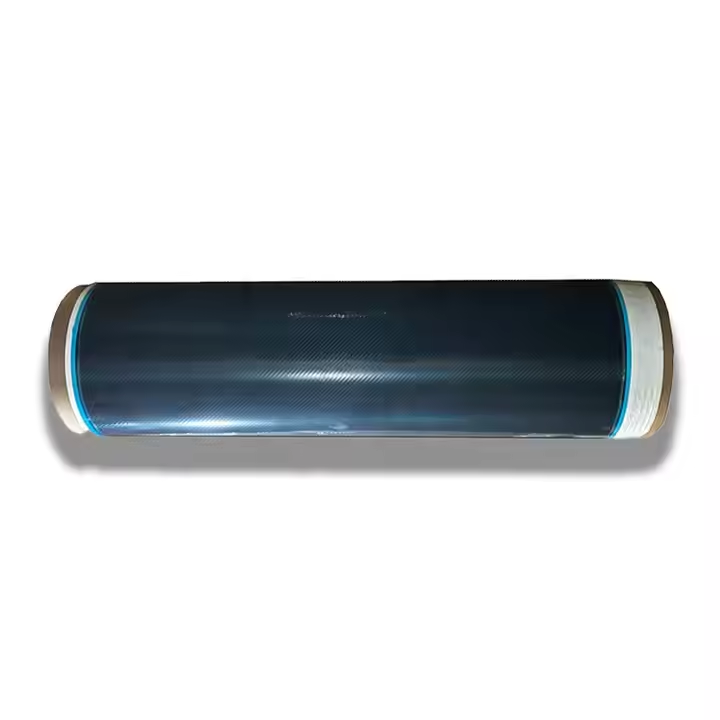
Manufacturing techniques, such as weaving and prepregging, significantly contribute to the overall cost structure. For example, the fabrication of 3K Twill Carbon Fiber Fabric requires stringent process controls to preserve material quality, impacting cost efficiency. Bulk ordering can mitigate these expenses by enabling economies of scale.
Market Demand and Supply Dynamics
Carbon fiber demand, particularly from sectors like automotive and renewable energy, influences market pricing. Increased use in applications like wind turbine blades or marine vessels can strain supply, leading to potential cost increases. By keeping abreast of these trends, companies like Impact Materials offer competitive pricing strategies and maintain robust supply chains.
Technical Applications of Carbon Fiber
Aerospace and Automotive Utilization
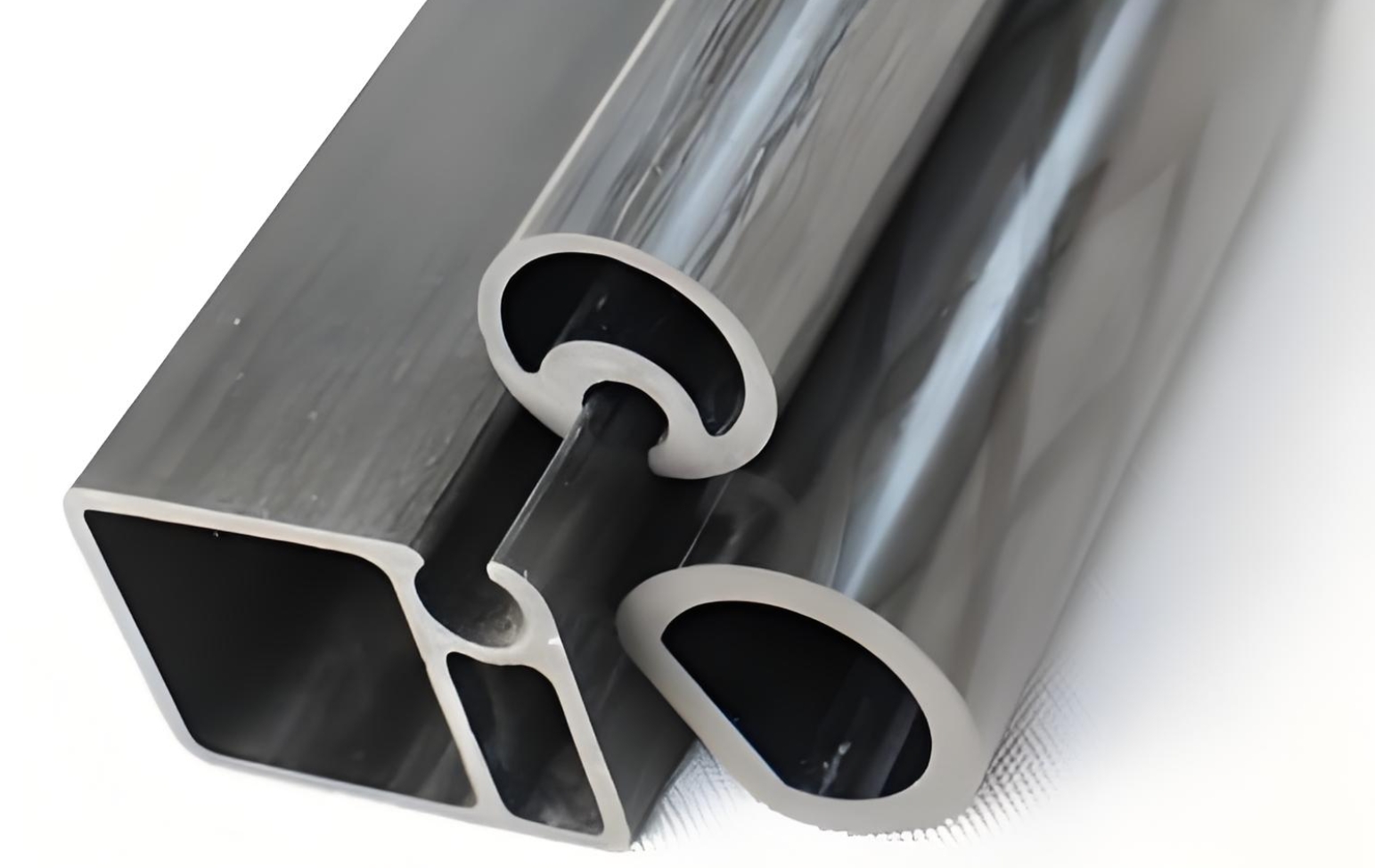
In the aerospace industry, carbon fiber is indispensable for components such as fuselage panels and wing skins due to its lightweight yet strong constitution. Products like the Special Section Pultruded Carbon Fiber Rod enhance structural integrity in aircraft. In automotive engineering, carbon fiber’s application in body panels and reinforcements optimizes vehicle performance and fuel economy.
Marine Construction and Wind Energy
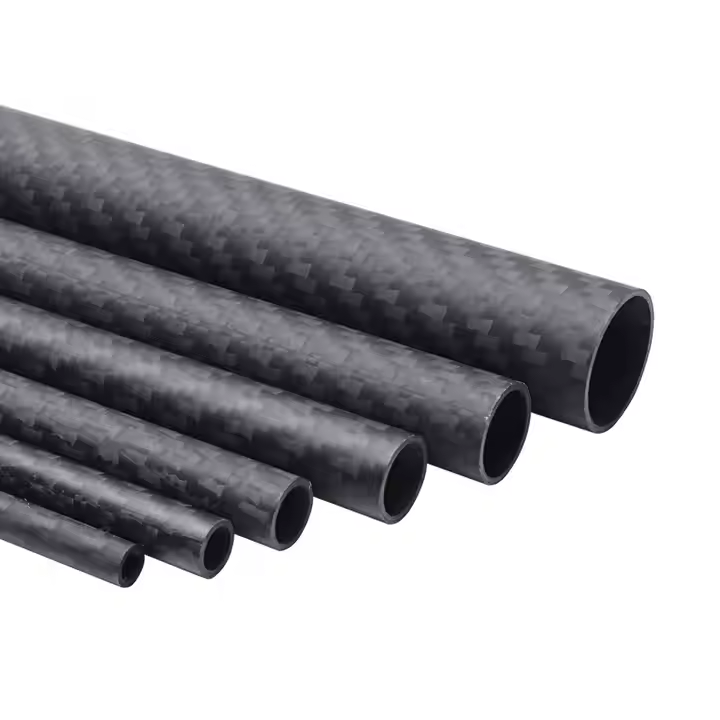
Carbon fiber’s corrosion resistance and light weight make it ideal for marine applications, crucial for crafting efficient watercraft. The Customized Round CFRP Carbon Fiber Tube offers both durability and aesthetic value for maritime use. In the renewable energy sector, carbon fiber’s strength-to-weight ratio is critical in the production of wind turbine blades, enhancing energy capture efficiency.
Construction and Sporting Goods
In construction, carbon fiber is utilized for fiber-reinforced polymer (FRP) reinforcement, providing superior durability against environmental elements. Products like the Round Rod Carbon Composite Material are effective in fortifying concrete structures. The sporting goods industry leverages carbon fiber’s attributes to boost performance in equipment such as bicycles and tennis rackets.
Featured Carbon Fiber Price Per Kg Products
Explore a curated selection of carbon fiber price per kg offerings from Impact Materials, renowned among manufacturers globally.
Material Properties and Compliance Standards
Critical Material Properties
Carbon fiber’s technical specifications, encompassing a density of 1.6 g/cm³ and a fiber volume fraction that can achieve up to 60%, are pivotal for its application in high-performance settings. The exceptional tensile strength and robust modulus of elasticity render it ideal for demanding environments where mechanical integrity is paramount.
Testing Standards and Quality Assurance
Conformance to industry standards, such as ISO 9001, is crucial for quality assurance in carbon fiber products. Rigorous testing for parameters like tensile strength, compressive strength, and thermal stability is necessary to confirm compliance and performance reliability. Adhering to these benchmarks mitigates the risk of failure in critical applications.
For more tailored solutions and comprehensive insights on carbon fiber pricing, visit Impact Materials for carbon fiber price per kg solutions.